Most articles about home decor ideas TheHomeTrotters repeat the same three tips — add a lamp, add a plant, add a cushion — and call it a guide. That’s not useful if you’re staring at an empty living room wondering where to actually spend your money. This guide skips the fluff and gives you real budget tiers, named products, and room-specific plans so you can decorate with intention instead of guessing. uploadblog, durostech, lcfmodgeeks, aliensync
TheHomeTrotters approach to decorating isn’t about buying more — it’s about buying the right things, in the right proportions, for a home that actually reflects how you live. Below is a full breakdown by room, with pricing, mistakes to avoid, and a style comparison table so you can figure out which direction fits your space.
What TheHomeTrotters Style Actually Means
Before jumping into rooms, it helps to define the philosophy so the rest of this guide makes sense. Home decor ideas TheHomeTrotters center on four things:
- Color balance — most of the room stays in one neutral family, with a small percentage of contrast
- Layered lighting — no single overhead bulb doing all the work
- Texture mixing — at least three different surface textures per room
- Intentional focal points — one object per room that the eye is meant to land on first
These aren’t abstract design theories. They’re testable rules you can apply to any room in under a weekend.
The 60-30-10 Color Rule, Explained Properly
Most articles mention this rule without explaining it. Here’s the actual breakdown:
| Percentage | Role | Example |
|---|---|---|
| 60% | Dominant color | Wall paint, large rug, sofa |
| 30% | Secondary color | Curtains, accent chair, bedding |
| 10% | Accent color | Throw pillows, art frames, vases |
If your living room is currently “beige everything,” you’re missing the 30% and 10%. That’s usually why a room feels flat even when nothing is technically wrong with it.
Layered Lighting: What Actually Changes the Feel of a Room
Lighting temperature matters more than most people realize. Warm light (2700K–3000K) reads as cozy; cool light (4000K+) reads as clinical, office-like. A room with only one overhead fixture at 5000K will feel harsh no matter how nice the furniture is. thehometrotters trisha
A properly layered room has three light sources:
- Ambient — ceiling light or flush mount for general visibility
- Task — a reading lamp, desk lamp, or under-cabinet kitchen lighting
- Accent — a small lamp or LED strip that highlights art, shelves, or a plant corner
Living Room: Budget-Tiered Refresh Plan
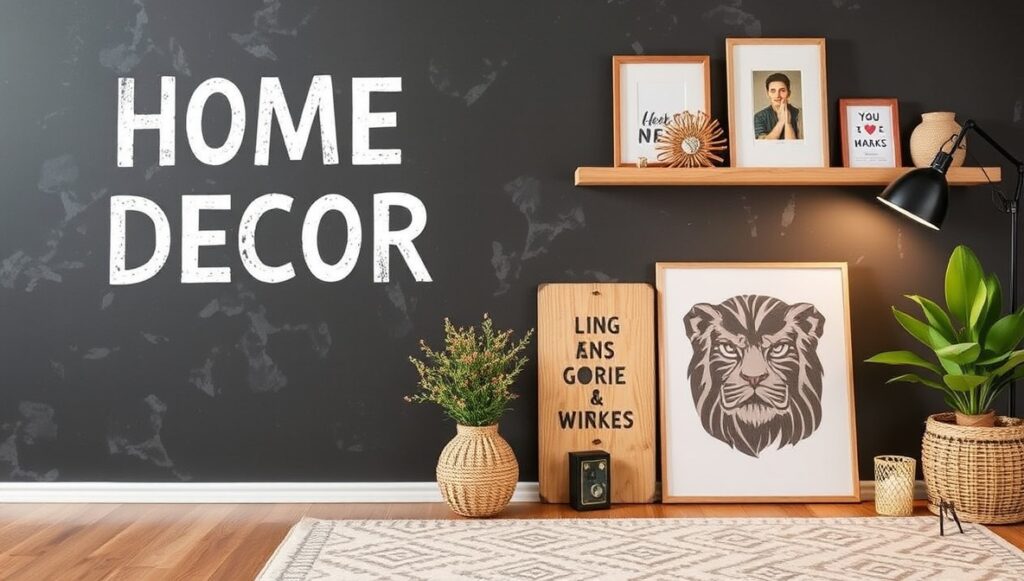
The living room is where home decor ideas TheHomeTrotters get tested first, because it’s the room guests see and the room you actually use daily. Here’s what to prioritize at three different budget levels.
| Budget | What to Buy | Approx. Price |
|---|---|---|
| $50 refresh | Throw pillow covers (2-3), one warm-toned bulb swap | $30–50 |
| $250 refresh | Table lamp, jute or cotton area rug (5×7), 2 framed prints | $180–260 |
| $1,000 refresh | Accent chair, large area rug (8×10), floor lamp, curtains, gallery wall frames | $700–1,100 |
Common mistake to avoid: pushing all furniture against the walls. This makes a room feel like a waiting room instead of a gathering space. Pull your sofa a few inches off the wall and angle a chair toward it — it anchors the seating area instead of leaving the middle of the room empty.
Quick wins that cost nothing:
- Rearrange existing books and objects into groups of odd numbers (3 or 5) instead of even pairs
- Swap identical throw pillows for two different textures (knit + linen)
- Move one lamp from a corner to beside the seating area instead of behind it
Bedroom: Where Comfort Matters More Than Style
Bedrooms don’t need trendy decor — they need layers that make the room feel calm. Applying home decor ideas TheHomeTrotters here means prioritizing texture over visual noise.
| Budget | What to Buy | Approx. Price |
|---|---|---|
| $50 refresh | New pillowcases, one textured throw blanket | $35–55 |
| $250 refresh | Duvet cover, bedside lamp, small rug on either side of the bed | $180–250 |
| $1,000 refresh | Upholstered headboard, new bedding set, blackout curtains, two nightstand lamps | $700–1,000 |
Mistake to avoid: matching every textile exactly. A bedroom where the curtains, bedding, and rug are all the same pattern reads as a hotel showroom, not a lived-in space. Keep one dominant color and let the rest vary in texture instead of pattern.
Kitchen: Decorating Without Getting in the Way of Function
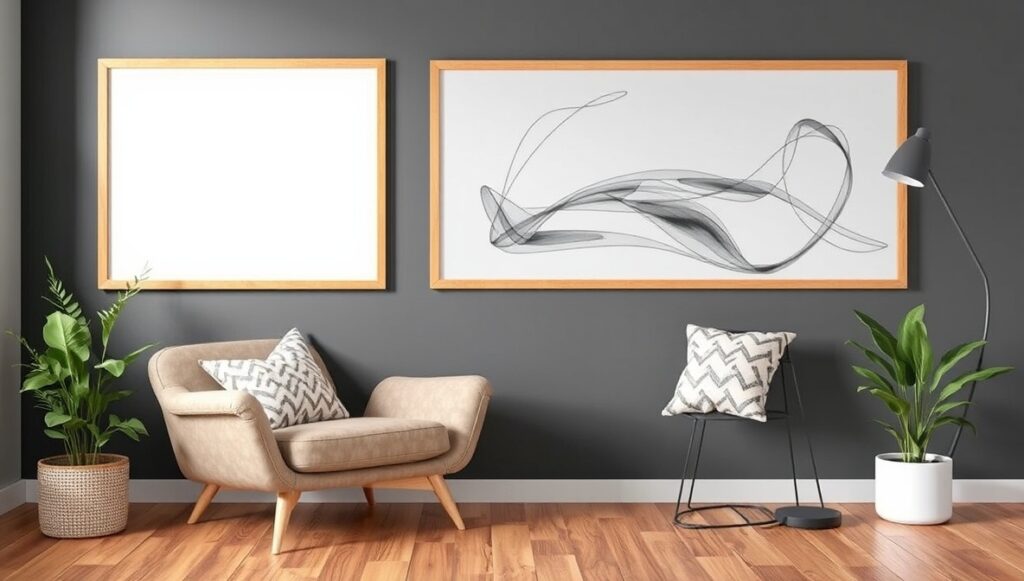
Kitchen decor fails fast when it interferes with actual cooking. The goal with home decor ideas TheHomeTrotters in a kitchen is making everyday objects look intentional, not adding decor that has to be moved every time you cook.
Practical swaps that work:
- Replace mismatched food storage jars with a matching set (glass or ceramic)
- Stack cutting boards upright in a wood or metal holder instead of hiding them in a drawer
- Add one small framed print or a trailing plant near a window — nowhere near the stove
- Swap a single overhead bulb for a warmer temperature bulb above the sink
| Budget | What to Buy | Approx. Price |
|---|---|---|
| $50 refresh | Matching jar set, tea towel swap | $30–50 |
| $250 refresh | Open shelf styling (baskets, jars, small plant), new pendant light shade | $150–250 |
| $1,000 refresh | Cabinet hardware swap, under-cabinet lighting, new bar stools | $600–1,000 |
Small Spaces and Apartments: Renter-Friendly Rules
If you’re renting, most decorating advice assumes you can paint or drill — which you often can’t. Here’s what actually works within those limits.
Renter-safe upgrades:
- Command strip hooks and picture hangers instead of nails
- Removable wallpaper for one accent wall (peel-and-stick, no damage)
- Battery-operated LED strip lights instead of hardwired fixtures
- Furniture risers to make a small space feel taller
- Tension curtain rods that don’t require drilling
Small space specific tips:
- Use a rug that’s too large rather than too small — it visually expands the floor
- Choose furniture with visible legs instead of skirted bases; it reads as lighter
- Hang curtains close to the ceiling, not just above the window frame, to add height
- Mirror placement across from a window doubles natural light in the room
Style Comparison: Which Direction Fits You
Not every version of home decor ideas TheHomeTrotters looks the same — it adapts across styles. Use this table to figure out which direction matches your taste before you start buying.
| Style | Defining Traits | Best For |
|---|---|---|
| Modern Minimalist | Clean lines, neutral palette, minimal accessories | Small spaces, low-maintenance living |
| Modern Farmhouse | Wood textures, warm neutrals, natural materials | Families, larger rooms |
| Boho | Layered textiles, plants, mixed patterns | Renters, creative personalities |
| Traditional | Symmetry, richer colors, classic furniture shapes | Larger homes, formal entertaining |
| Scandinavian | Light wood, soft neutrals, function-first furniture | Apartments, first-time decorators |
Pick one as your dominant direction — mixing two or three at once is usually why a room feels chaotic instead of curated.
DIY Projects Worth Doing This Weekend
Gallery Wall Layout That Actually Works
Lay your frames out on the floor first, largest frame in the center-left, then build outward. Leave 2-3 inches between frames consistently. Photograph the layout before hanging so you have a reference if a frame comes down.
Materials: 5-7 frames (mixed sizes), painter’s tape, level Time: 45–60 minutes
No-Sew Curtain Length Fix
If curtains are too short (a common rental problem), use fusible hem tape and an iron to add length using matching fabric or a coordinating trim strip — no sewing machine required.
Materials: Fusible hem tape, iron, fabric scraps Time: 20 minutes per panel
Mistakes That Undo Good Decor Choices
- Overcrowding shelves — leave visible negative space; a shelf with 3 objects reads better than one with 8
- Skipping the rug size test — a rug that’s too small makes furniture look like it’s floating
- Buying matching sets — identical furniture and accessories reduce visual interest instead of adding cohesion
- Ignoring bulb temperature — cool white bulbs in a “cozy” room will always feel off no matter what furniture you buy
- Decorating before organizing — clutter undermines even well-chosen decor; declutter first, style second
Frequently Asked Questions
What is the fastest way to make a room feel more put together?
Add a rug sized correctly for the furniture and swap any cool-white bulbs for warm ones — these two changes alone shift how a room feels more than new furniture would.
How much should I budget for a full living room refresh?
A meaningful refresh with a rug, lamp, throw pillows, and art typically costs $250–400; a full furniture-inclusive redo runs closer to $1,000–1,500.
Is it worth buying matching furniture sets?
No — matching sets often make a room feel flat. Pick one dominant color family and vary the textures and shapes instead.
How do I decorate if I’m renting and can’t paint or drill?
Use removable wallpaper, command hooks, tension rods, and battery-powered lighting — all of these apply the same home decor ideas TheHomeTrotters principles without any wall damage.
Do indoor plants actually improve a room’s decor?
Yes, but only if placed with intention — one larger plant in a corner reads better than five small plants scattered without a pattern.
What’s the biggest decorating mistake people make?
Pushing all furniture flush against the walls, which leaves the center of the room empty and unanchored instead of creating a defined seating area.
How many textures should one room have?
Aim for at least three — for example, a wood coffee table, a woven rug, and a knit throw blanket — since a single-texture room tends to feel flat.
Can small apartments use the same 60-30-10 color rule?
Yes — the rule scales down easily; a small apartment just needs smaller quantities of each color tier, not a different formula.
Where should I start if I only have one weekend to decorate?
Start with the living room, since it’s used daily and seen by guests first; apply the lighting, rug, and texture fixes above before touching any other room.